
Talking about C3G and primary IC-MPGN
Support for navigating what comes next
C3G and primary IC-MPGN are rare kidney diseases that can look different for everyone. No matter how they affect you, their impact can often be felt in many areas of daily life.
These diseases require asking questions, making tough decisions, and having important conversations. Here, you’ll find practical guidance and information on what to expect to help you feel more prepared and supported.
Actor portrayal.

Start a conversation with your doctor
Download the doctor discussion guide to help you feel more prepared for your next appointment

Understanding how these rare kidney diseases are affecting you
C3G and primary IC-MPGN can affect each person differently. Noticing changes in your body and daily life can help you better understand what’s happening.
Keeping track of your symptoms can be one of the most helpful things you can do. Symptoms can change gradually, so it may be hard to notice small shifts day to day.

Tracking your symptoms helps you and your doctor, and you can do it in a way that works for you. It can help you:
- See changes over time
- Understand how your disease may be progressing
- Make more informed decisions about your care

Changes may happen gradually over time, so staying aware of your symptoms and results can help you and your doctor respond earlier
Start a conversation centered on you and your needs
Appointments can feel rushed. Coming prepared can help you make the most of your time with your doctor.


Create a list of topics for discussion
Create a list of topics for discussion
- Write down your most pressing questions and concerns before your appointment. Prioritize the topics that matter most to you in case time is limited
- Download the doctor discussion guide and use the checklist to help you organize your thoughts

Be honest about symptoms and challenges
Be honest about symptoms and challenges
- Share any symptoms you may have noticed, even ones that seem minor or unrelated
- Be open about how C3G or primary IC-MPGN is affecting your daily life, work, school, or relationships

Ask questions
Ask questions
- No question is too small! Your doctor is there to help you understand what’s happening
- If you don’t understand something, ask your doctor to explain it in a different way
Example questions to consider
- What do my lab results mean and is there anything I should be concerned about?
- Is there anything more we can do to help with my symptoms?
- How can diet, exercise, and lifestyle affect my kidney health, and what can I do to improve these areas of my life?
- What are realistic goals for managing my C3G or primary IC-MPGN?

Bring someone for support
Bring someone for support
- Having support can make difficult conversations feel easier
- Appointments can feel overwhelming, and a lot can be discussed. Bringing a trusted family member or friend can help you remember what was discussed

Take notes
Take notes
- Write down key points, next steps, and any instructions from your doctor
- Review your notes after the appointment while details are fresh

Hear from others
Watch real people living with C3G or primary IC-MPGN share their unique experiences
Supporting a loved one living with C3G or primary IC-MPGN
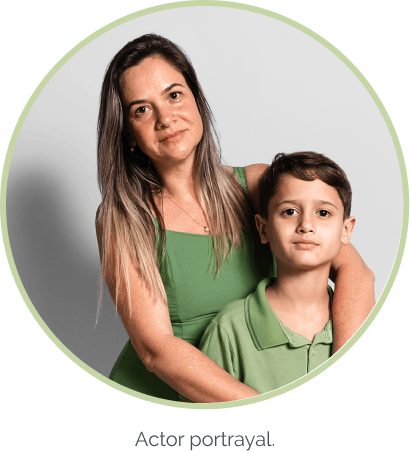
Caring for a child with C3G or primary IC-MPGN can mean helping manage appointments, treatment, school, and everyday routines as their needs change over time.
Some things to keep in mind:
- Track symptoms and share updates with their care team
- Work closely with their doctors to understand disease progression
- Talk about the condition in age-appropriate ways
- Help your child stay engaged in school and daily activities
You don’t have to figure this out on your own.
Caring for yourself while caring for others
Caring for someone with C3G or primary IC-MPGN can be physically and emotionally demanding. Taking care of yourself can help you keep showing up for the people who rely on you.

Rest when you can
Make space for moments that help you recharge

Lean on people you trust
Talking with other caregivers, friends, or family can help lighten the load

Use tools that make caregiving easier
Explore resources and support made with you in mind
School accommodations
Children with C3G or primary IC-MPGN may be able to receive school support. Fatigue, frequent medical appointments, and other challenges related to C3G or primary IC-MPGN can affect their ability to participate fully in the classroom.
Reach out to your child’s school district to learn more about accommodations that may be made for your child’s health needs. A 504 plan or Individualized Education Program (IEP) may be available to help ensure your child receives the support they need to thrive in school.

Now, there’s a simple letter to share with your child’s school to help set expectations